
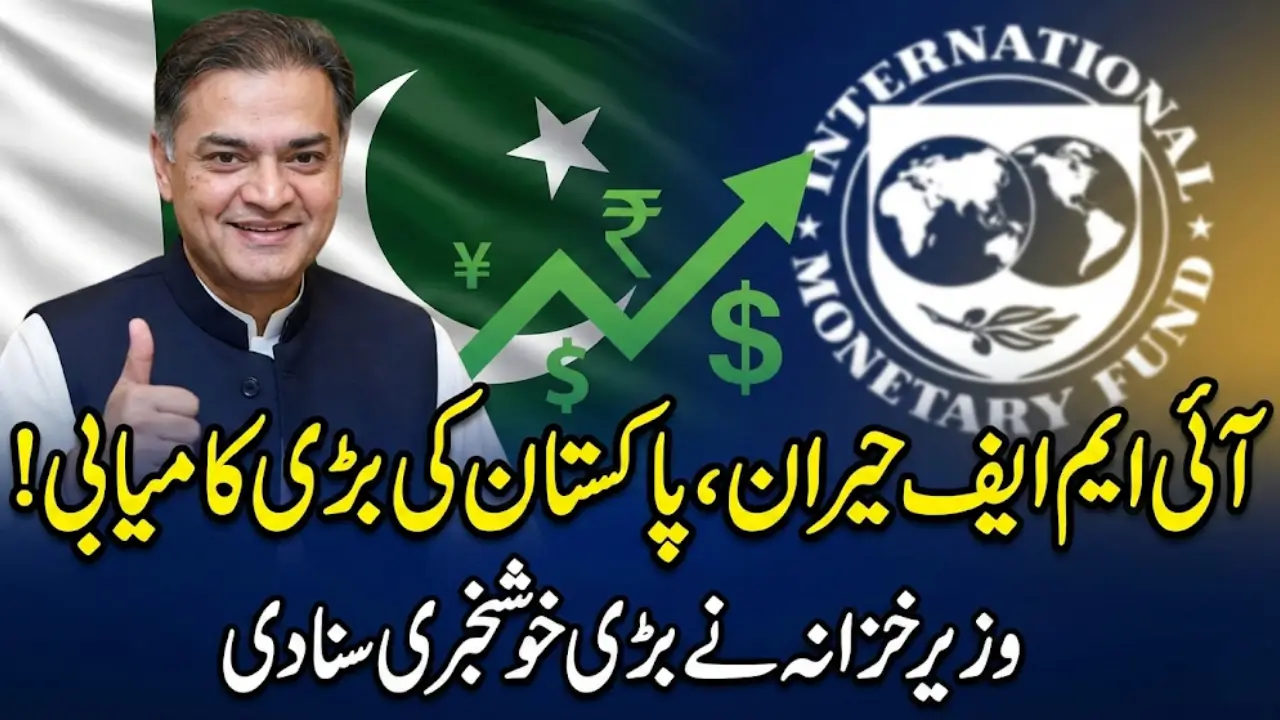
Pakistan Positioned Strongly for Upcoming IMF Review
Pakistan is preparing for its upcoming International Monetary Fund IMF Review with a strong economic stance. The Finance Minister has emphasized that the country has made notable progress in meeting the fiscal and structural benchmarks set by the IMF. With these improvements, Pakistan is positioning itself to maintain stability in its macroeconomic indicators while promoting growth in critical sectors.
The government’s focus on revenue mobilization and expenditure control has paid off. According to recent statements, Pakistan has successfully implemented measures to enhance tax collection, reduce fiscal deficits, and streamline public spending. These actions are expected to reflect positively during the IMF review, showcasing Pakistan’s commitment to sound economic management and fiscal responsibility.
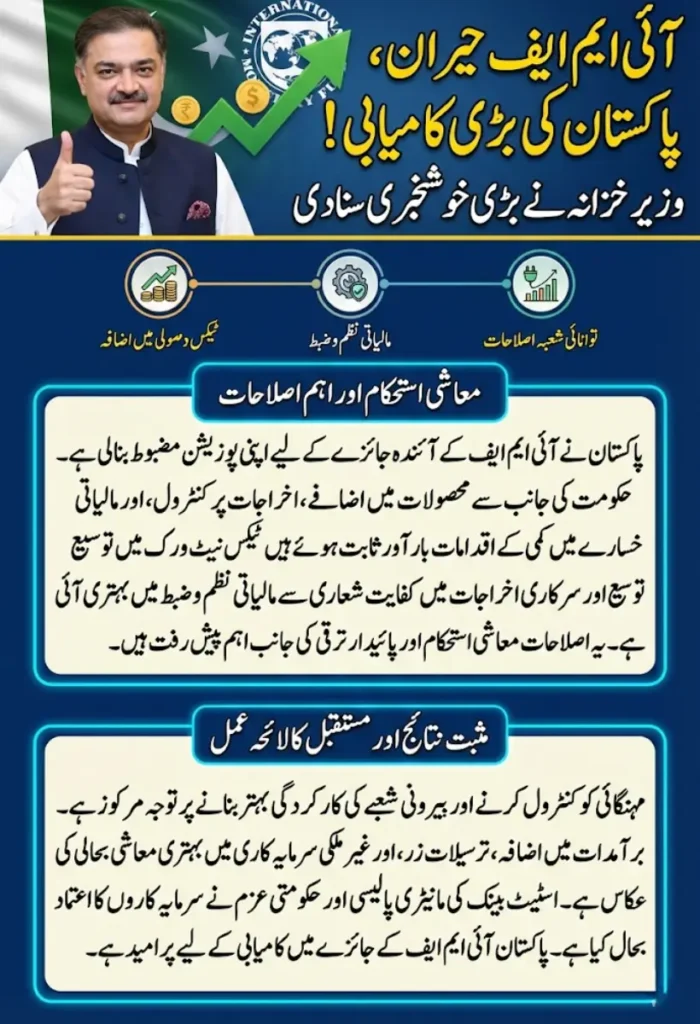
Key Reforms Strengthening Economic Outlook
Several policy reforms have been introduced to strengthen Pakistan’s economic framework. The Finance Minister highlighted improvements in fiscal governance, public sector efficiency, and energy sector reforms. These measures are aimed at ensuring sustainable growth while addressing longstanding structural challenges. By focusing on targeted reforms, Pakistan is sending a strong signal to international financial institutions about its commitment to stability and accountability.
The government has also prioritized foreign investment facilitation. Streamlined approval processes, investment-friendly policies, and enhanced economic zones are contributing to a more attractive environment for international investors. These efforts align with Pakistan’s broader goal of improving its balance of payments and ensuring long-term economic resilience.
You Can Also Read : 8070 Free Rashan Program 2026
Revenue Collection and Fiscal Discipline
A key factor in Pakistan’s strong position for the IMF review is improved revenue collection. The Federal Board of Revenue (FBR) has made significant strides in expanding the tax base and reducing compliance gaps. The Finance Minister noted that enhanced monitoring and digital reporting systems are helping increase efficiency and transparency in tax administration.
- Strengthened tax policies are expected to boost domestic revenue.
- Expenditure control measures have reduced unnecessary spending.
- Energy reforms are projected to lower fiscal burdens and support industrial growth.
These combined measures demonstrate Pakistan’s commitment to fiscal discipline, a critical criterion for IMF assessments.
Inflation and Monetary Management
Another area of focus is inflation control and monetary stability. The State Bank of Pakistan has taken steps to manage inflationary pressures while ensuring liquidity in the financial system. By coordinating monetary policy with fiscal measures,
Pakistan aims to achieve a balanced approach that supports economic growth without compromising financial stability. These efforts are essential in maintaining investor confidence and demonstrating the country’s capacity to manage macroeconomic challenges effectively.
You Can Also Read : Punjab Government’s New Luxury Vehicle Purchase
External Sector Performance
Pakistan’s external sector performance has also improved. Export growth, foreign remittances, and foreign direct investment are key indicators that reflect the country’s improving economic resilience. The government has worked on diversifying exports and reducing reliance on imports through import substitution policies. These initiatives are expected to strengthen the balance of payments and positively influence the IMF’s assessment of Pakistan’s external sector stability.
Government Commitment and Future Outlook
The Finance Minister has reassured both domestic and international stakeholders that Pakistan remains committed to continuing reforms and maintaining policy consistency. By addressing fiscal, structural, and monetary challenges, Pakistan aims to create a robust economic environment that supports sustainable growth. The upcoming IMF review is seen as an opportunity to highlight these achievements and build stronger economic credibility on the global stage.
Conclusion
Pakistan enters the IMF review with a clear strategy and measurable progress in key economic areas. Enhanced revenue collection, fiscal discipline, structural reforms, and improved external sector performance position the country strongly for a positive evaluation.
With continued focus on policy implementation and economic stability, Pakistan is well-prepared to demonstrate its commitment to sustainable growth and financial resilience. The government’s proactive approach signals confidence in the nation’s economic trajectory and its readiness to engage constructively with international partners.